Inside Paris’s international school market
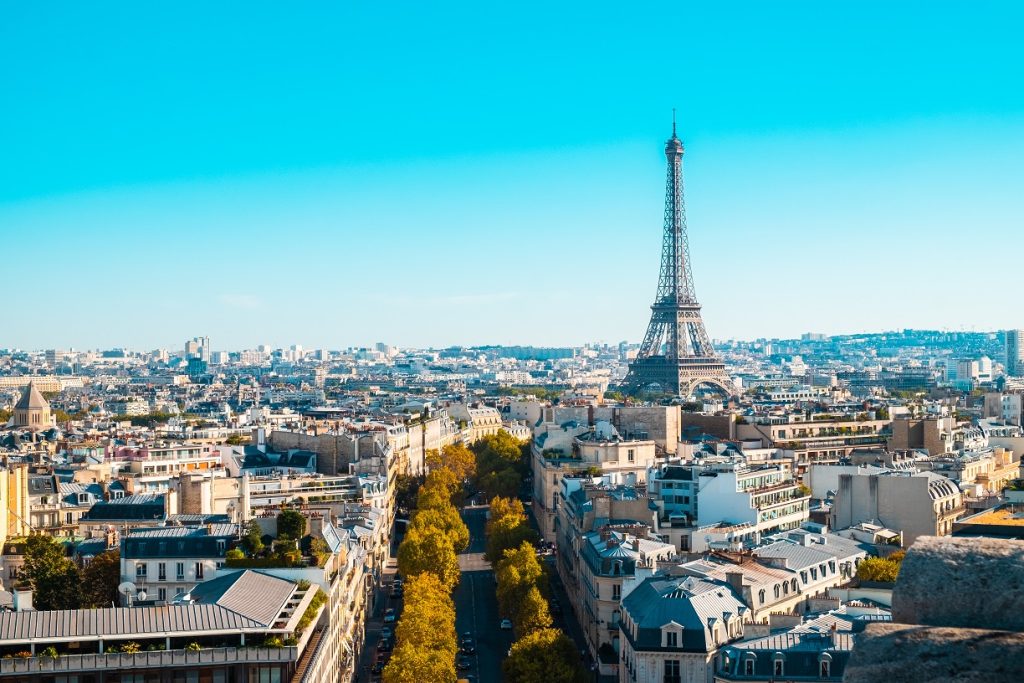
Paris has always exerted a gravitational pull. For centuries, it has drawn artists, diplomats, financiers, academics and entrepreneurs, shaping not just culture but global thought itself. Today, that same magnetism underpins one of Europe’s most mature and resilient private education markets. For investors and buyers examining schools for sale in Paris, the opportunity is neither fleeting nor speculative. It is rooted in permanence, global relevance and a depth of demand that few cities can rival.
The French capital occupies a unique position. As the political heart of France, a diplomatic centre of gravity, a financial and corporate hub, and a cultural capital without parallel, Paris sustains a continuous inflow of internationally mobile families. These households bring with them expectations formed in London, New York, Singapore and Geneva. Education is central to their decision-making, and increasingly, private and international schools are not optional extras but essential infrastructure.
For investors, this matters. Schools in Paris are not exposed to the same volatility as discretionary consumer sectors. They operate within a framework of long-term planning, annual renewal and reputational capital built over decades. In an era when many asset classes feel over-financialised or fragile, education in Paris offers something increasingly rare: continuity.
Paris and the Foundations of Education Demand
To understand the investment case, one must begin with the scale and complexity of Paris. The city proper is home to just over two million residents, but the wider Île-de-France region approaches twelve million. It is one of Europe’s most densely populated and economically productive metropolitan areas.
International presence is woven into the city’s fabric. Paris hosts hundreds of embassies, international organisations, multinational headquarters and regional offices. Global industries ranging from finance and law to fashion, aerospace, pharmaceuticals and technology maintain deep roots in the capital. Alongside this sits a powerful domestic elite, for whom education is both a cultural priority and a marker of social capital.
This combination drives sustained demand for private schooling. Expatriate families often seek continuity of curriculum, English-language instruction or internationally recognised qualifications. French families, particularly at secondary level, increasingly opt for private education in pursuit of academic rigour, smaller class sizes and enhanced pathways to higher education.
The result is a broad and resilient demand base. Schools in Paris are not dependent on a single demographic or economic trend. They serve a layered market that renews itself each academic year.
The Structure of Paris’s Private and International School Market
Schools for sale in Paris generally fall into several well-established categories, each appealing to different investor profiles.
International schools occupy the premium tier. These institutions typically offer International Baccalaureate programmes, British or American curricula, or international pathways aligned with French educational standards. Annual fees commonly range from €20,000 to €40,000 per pupil, reflecting both the cost base and the purchasing power of the families they serve.
Bilingual private schools represent a substantial and growing segment. Teaching in French and English, and sometimes a third language, these schools appeal to both expatriates planning longer stays and French families seeking international exposure. Their enrolment profiles are often particularly stable, as families commit for multiple years.
Traditional private schools operating within the French national system form another important category. While less international in orientation, many of these institutions benefit from long histories, strong reputations and loyal alumni networks. They often attract domestic investors or education groups seeking consolidation opportunities.
There is also a niche but expanding market for specialist provision. Montessori and other alternative pedagogy schools, early years academies and institutions offering enhanced SEN support have all seen rising demand, driven by changing parental expectations and increased awareness.
What unites these segments is maturity. Paris is not an emerging education market. It is one where standards are high, parents are informed and reputations are earned slowly but defended fiercely.
Regulation and the French Education Framework
France’s education system is among the most structured in Europe, and private schools operate within a clearly defined legal framework. Institutions may be “sous contrat” with the state, receiving partial public funding in exchange for adherence to national curricula, or operate independently with greater autonomy over programmes and fees.
For investors, this regulatory clarity is a strength rather than a burden. Licensing requirements, inspection regimes and staffing qualifications are well established. While compliance is rigorous, it is predictable. Sudden policy shifts are rare, particularly for reputable institutions.
International schools often hold additional accreditations from global bodies, reinforcing transparency and quality assurance. Fee flexibility is generally greater for fully independent schools, though market tolerance remains a practical constraint.
The French system places strong emphasis on educational outcomes, teacher quality and institutional governance. Schools that maintain high standards enjoy long-term stability. Those that do not face swift reputational consequences.
Valuations, Pricing and Market Expectations
Valuations for schools for sale in Paris vary widely, shaped by factors such as location, scale, curriculum offering and property ownership. Paris’s real estate market plays a significant role, as many schools operate from historic buildings or purpose-adapted campuses within the city.
Smaller private schools may be accessible at comparatively modest valuations, particularly where premises are leased. Larger international schools with owned campuses, strong enrolment histories and recognised accreditations command premium prices.
Operating margins in Paris’s private education sector are generally healthy but not excessive. Staffing costs are substantial, reflecting France’s labour standards and the competition for qualified teachers. Facilities, compliance and support services account for much of the remainder. In return, fee collection rates are strong and bad debt levels are low.
From an investor’s perspective, the emphasis should be on durability rather than aggressive yield. Schools that invest consistently in staff, facilities and academic outcomes tend to outperform over time, even if short-term margins are restrained.
Operational Realities Behind the Balance Sheet
Education is an operationally intensive asset class. In Paris, leadership, governance and culture are inseparable from financial performance.
Strong principals and senior administrators are critical. They shape academic direction, staff morale and parent relationships. Stability in leadership is often reflected directly in enrolment retention and reputation.
Teacher recruitment remains a key challenge. International curricula require educators with specific qualifications and experience, often sourced from abroad. Competitive remuneration, professional development and supportive working environments are essential to attract and retain talent in a competitive market.
Facilities also matter. Parisian parents may appreciate tradition, but they expect modern learning environments. Investment in technology, laboratories, arts spaces and sports provision is an ongoing necessity, not a discretionary extra.
For investors without direct education experience, partnerships with established operators or management teams are common. These arrangements allow for professional oversight while preserving the educational ethos that underpins demand.
Paris in the European Education Context
When viewed alongside other European capitals, Paris occupies a distinctive position. London offers scale and diversity but faces regulatory and political uncertainty. Berlin is growing rapidly but remains less mature. Madrid and Barcelona have expanded quickly but can be more cyclical.
Paris combines depth with stability. Its international education market is large, well established and culturally embedded. Growth is incremental rather than explosive, driven by demographics and reputation rather than speculative expansion.
For investors seeking long-term exposure to European education, Paris provides diversification and scale. It is a market that behaves predictably, rewarding patience and professionalism.
Financing, Ownership and Exit Dynamics
Financing private schools in France is generally achievable for established institutions with transparent accounts. Domestic banks understand the sector, and international lenders are increasingly comfortable with education assets that demonstrate regulatory compliance and stable enrolments.
Ownership structures vary widely, from family-run institutions transitioning to professional management, to corporate entities and education groups. Foreign ownership is permitted, though investors must navigate French corporate, employment and tax law carefully.
Exit routes are well developed. Trade sales to international education groups are common, particularly for high-quality international schools. There is also growing interest from institutional investors and family offices seeking exposure to defensive, socially aligned assets.
Partial exits, minority stake sales and management buy-ins are increasingly part of the landscape, providing flexibility for both founders and investors.
Risk, Regulation and Due Diligence
As with any acquisition, thorough due diligence is essential. In Paris, key areas of focus include regulatory compliance, inspection histories, accreditation status, staff contracts and property arrangements.
French employment law provides strong protections for employees, and obligations must be fully understood. Lease terms or property ownership structures require careful scrutiny, particularly given Paris’s high real estate values.
Macroeconomic risk is mitigated by the essential nature of education and Paris’s diversified economy. While France’s broader economic narrative can attract headlines, private education has historically shown resilience through cycles.
With proper preparation and experienced advisors, downside risk is limited, while upside comes through steady growth and reputational strengthening.
The Broader Investment Narrative
Schools for sale in Paris sit at the intersection of culture, mobility and long-term planning. Education in France carries deep social significance, and private schools operate within that context rather than outside it.
For investors, this requires a balanced approach. Commercial discipline must coexist with respect for educational values and institutional heritage. Those who succeed are often those who see schools not merely as assets, but as enduring institutions.
This alignment between financial return and social purpose is increasingly valued by long-term capital, particularly family offices and institutional investors with multi-decade horizons.
Looking Ahead: Paris’s Enduring Appeal
Paris’s private education market is unlikely to produce dramatic headlines. Its strength lies in something more profound: permanence. Demand is anchored in demographics and global relevance. Regulation favours quality and continuity. Competition rewards reputation over scale alone.
For investors and buyers willing to engage thoughtfully, schools for sale in Paris offer a compelling proposition. In a world of shifting markets and uncertain returns, they stand as assets built to endure, educating generations while delivering dependable, long-term value.
Financial Disclaimer:
The information provided in this article is for general informational purposes only and does not constitute financial advice. While every effort has been made to ensure the accuracy of the content, market conditions may change, and unforeseen risks may arise. The author and publisher of this article do not accept liability for any losses or damages arising directly or indirectly from the use of the information contained herein.
Copyright 2025: globalschools.agency
Picture by: freepik.com